Pan Tilt Unit Control System Design
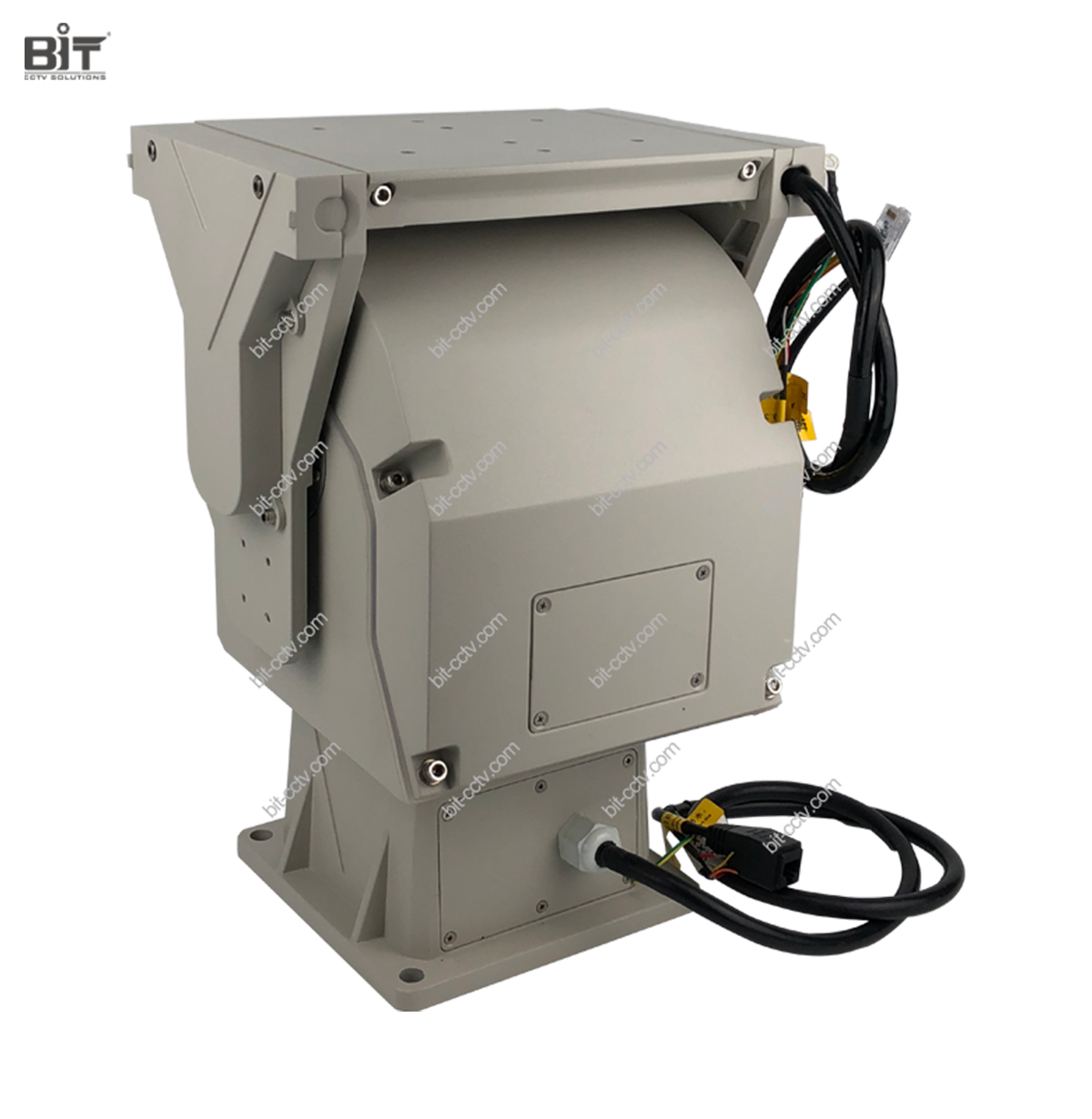
# Pan Tilt Unit Control System Design
## Introduction to Pan Tilt Units
Pan Tilt Units (PTUs) are mechanical devices that provide two-axis rotational movement, typically consisting of a pan (horizontal) axis and a tilt (vertical) axis. These systems are widely used in various applications, including surveillance cameras, robotic vision systems, and laser pointing devices.
The design of an effective PTU control system requires careful consideration of mechanical, electrical, and software components to achieve precise and responsive movement.
## Key Components of PTU Control Systems
### 1. Mechanical Structure
The mechanical design of a PTU must balance several factors:
– Load capacity
– Range of motion
– Movement precision
– Vibration damping
– Durability
Common materials include aluminum alloys for lightweight strength and stainless steel for high-load applications.
### 2. Actuation Systems
PTUs typically use one of three actuation methods:
– Stepper motors
– Servo motors
– DC motors with encoders
Each option offers different trade-offs in terms of precision, speed, and cost.
### 3. Control Electronics
The electronic control system typically includes:
– Motor drivers
– Position sensors (encoders or potentiometers)
– Microcontroller or FPGA
– Communication interfaces (RS-232, USB, Ethernet, or CAN bus)
## Control System Architecture
The PTU control system generally follows a hierarchical architecture:
### Low-Level Control
This layer handles direct motor control, including:
– Pulse-width modulation (PWM) generation
– Current regulation
– Position feedback processing
– Safety monitoring
### Mid-Level Control
This layer implements:
– Trajectory planning
– Velocity and acceleration profiles
– Closed-loop position control
– Error handling
### High-Level Control
The top layer provides:
– User interface
– Network communication
– Coordinate transformations
– Application-specific logic
## Software Implementation Considerations
When designing PTU control software, several factors must be considered:
### Real-Time Performance
PTU control often requires deterministic timing for:
– Sensor sampling
– Control loop execution
– Command processing
### Communication Protocols
Common protocol options include:
– Custom binary protocols
– ASCII-based command sets
– Industry-standard protocols like Modbus or CANopen
### Calibration Procedures
Proper calibration is essential for accurate positioning and typically involves:
– Homing routines
– Limit switch calibration
– Backlash compensation
– Sensor alignment
## Advanced Control Techniques
Modern PTU systems may incorporate advanced control methods:
### Adaptive Control
Systems that automatically adjust control parameters based on:
– Load variations
– Temperature changes
– Wear over time
### Predictive Control
Algorithms that anticipate movement requirements to:
– Reduce settling time
– Minimize overshoot
– Improve energy efficiency
### Machine Learning Integration
Some systems employ machine learning for:
– Pattern recognition in movement sequences
– Predictive maintenance
– Autonomous target tracking
## Testing and Validation
A comprehensive testing program should include:
### Unit Testing
Keyword: pan tilt unit
– Individual component verification
– Motor performance characterization
– Sensor accuracy assessment
### Integration Testing
– Subsystem interaction validation
– Timing and synchronization checks
– Failure mode analysis
### System Testing
– Full-range motion verification
– Load testing under various conditions
– Long-term reliability assessment
## Future Trends in PTU Control
Emerging technologies are shaping the future of PTU control systems:
– Higher precision actuators
– Wireless control interfaces
– AI-powered autonomous operation
– Miniaturization for portable applications
– Energy harvesting systems
## Conclusion
Designing an effective Pan Tilt Unit control system requires a multidisciplinary approach that combines mechanical engineering, electronics, and software development. By carefully considering each component and their interactions, engineers can create PTU systems that meet demanding performance requirements across a wide range of applications.
As technology continues to advance, PTU control systems will become more sophisticated, offering higher precision, greater reliability, and enhanced functionality for both industrial and consumer