Ceramic Ball Applications in Modern Industry
# Ceramic Ball Applications in Modern Industry
## Introduction to Ceramic Balls
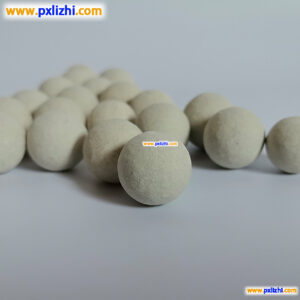
Ceramic balls have become an essential component in various industrial applications due to their unique properties. These small spherical objects made from advanced ceramic materials offer superior performance compared to traditional metal balls in many demanding environments.
## Key Properties of Ceramic Balls
The widespread use of ceramic balls in modern industry stems from their exceptional characteristics:
- High hardness and wear resistance
- Excellent corrosion resistance
- Low density and lightweight
- High temperature stability
- Electrical insulation properties
- Non-magnetic characteristics
## Major Industrial Applications
1. Bearing Systems
Ceramic balls are extensively used in high-performance bearing applications, particularly in industries where extreme conditions are common. Their superior hardness and wear resistance make them ideal for:
- Aerospace components
- Medical equipment
- High-speed machine tools
- Semiconductor manufacturing
2. Valve Components
The chemical resistance of ceramic balls makes them perfect for valve applications in corrosive environments. They are commonly found in:
- Oil and gas industry
- Chemical processing plants
- Water treatment facilities
3. Grinding Media
In the mining and pigment industries, ceramic balls serve as excellent grinding media due to their:
- High density
- Wear resistance
- Chemical inertness
4. Automotive Applications
The automotive industry utilizes ceramic balls in various components, including:
- Fuel injection systems
- Turbochargers
- High-performance bearings
## Advantages Over Traditional Materials
Compared to steel or other metal balls, ceramic balls offer several distinct advantages:
| Property | Ceramic Balls | Steel Balls |
|---|---|---|
| Density | Lower | Higher |
| Corrosion Resistance | Excellent | Poor to Moderate |
| Wear Resistance | Superior | Good |
| Temperature Resistance | Extreme | Limited |
## Future Trends in Ceramic Ball Technology
The future of ceramic ball applications looks promising with ongoing developments in:
- Nanostructured ceramic materials
- Hybrid ceramic-metal composites
- Advanced manufacturing techniques
- Smart ceramic materials with sensing capabilities
As industries continue to push the boundaries of performance and efficiency, ceramic balls will likely play an increasingly important role in meeting these demanding requirements.