Die Casting Process Optimization for High-Quality Aluminum Parts
# Die Casting Process Optimization for High-Quality Aluminum Parts
## Introduction to Die Casting
Die casting is a highly efficient manufacturing process that produces precisely dimensioned, sharply defined, smooth or textured-surface metal parts. The process involves forcing molten metal under high pressure into reusable steel molds called dies. Aluminum die casting, in particular, has become increasingly popular due to aluminum’s excellent properties and cost-effectiveness.
## Key Factors in Die Casting Optimization
### 1. Mold Design and Maintenance
Keyword: Die Casting
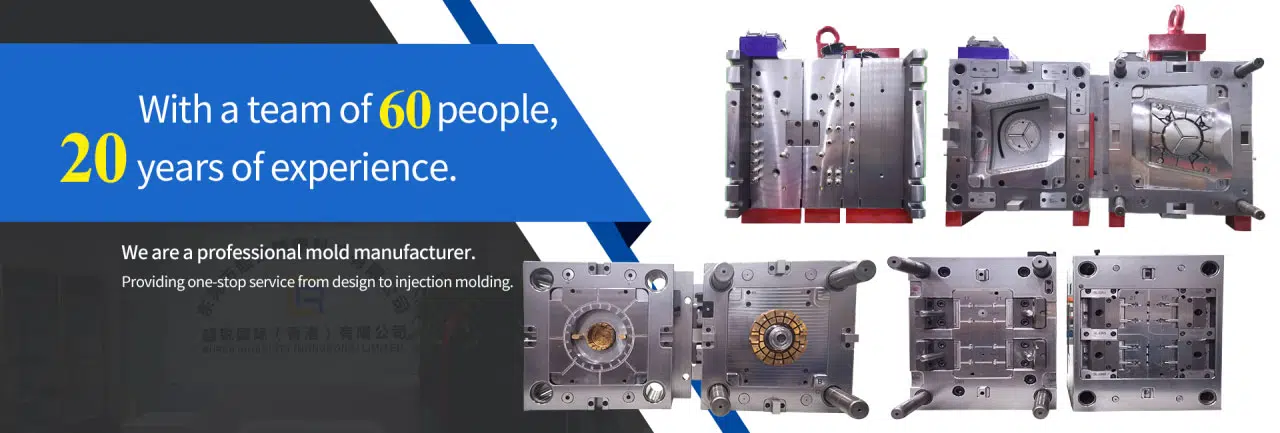
Proper mold design is critical for producing high-quality aluminum parts. The die must be designed with appropriate gating systems, venting, and cooling channels to ensure proper metal flow and solidification. Regular maintenance of dies, including cleaning and polishing, helps maintain dimensional accuracy and surface finish.
### 2. Process Parameters Control
Optimizing process parameters such as injection speed, pressure, temperature, and cycle time significantly impacts part quality. Precise control of these variables ensures proper filling of the die cavity and minimizes defects like porosity or cold shuts.
### 3. Material Selection and Preparation
Choosing the right aluminum alloy for the specific application is crucial. The molten metal must be properly prepared with correct composition, temperature, and degassing to prevent impurities and gas entrapment in the final product.
## Advanced Techniques for Quality Improvement
Vacuum-Assisted Die Casting
This technique removes air from the die cavity before and during injection, significantly reducing porosity and improving mechanical properties of the cast parts.
Squeeze Casting
A hybrid process combining die casting and forging that applies additional pressure during solidification to enhance density and mechanical characteristics.
Computer Simulation
Advanced simulation software helps predict and optimize metal flow, solidification patterns, and potential defect areas before actual production begins.
## Quality Control Measures
Implementing rigorous quality control procedures ensures consistent production of high-quality aluminum parts. This includes:
- Regular dimensional inspections
- Mechanical property testing
- X-ray or ultrasonic inspection for internal defects
- Surface finish evaluation
## Conclusion
Optimizing the die casting process for aluminum parts requires a comprehensive approach that considers mold design, process parameters, material selection, and advanced manufacturing techniques. By implementing these optimization strategies, manufacturers can achieve higher quality parts with improved mechanical properties, better surface finish, and reduced defects, ultimately leading to increased productivity and customer satisfaction.