Die Casting Process Overview
# Die Casting Process Overview
## Introduction to Die Casting
Die casting is a manufacturing process that produces accurately dimensioned, sharply defined, and smooth or textured-surface metal parts. It involves forcing molten metal under high pressure into reusable steel molds, called dies. This process is widely used in various industries due to its efficiency and ability to produce complex shapes with excellent surface finishes.
## The Die Casting Process Steps
### 1. Clamping
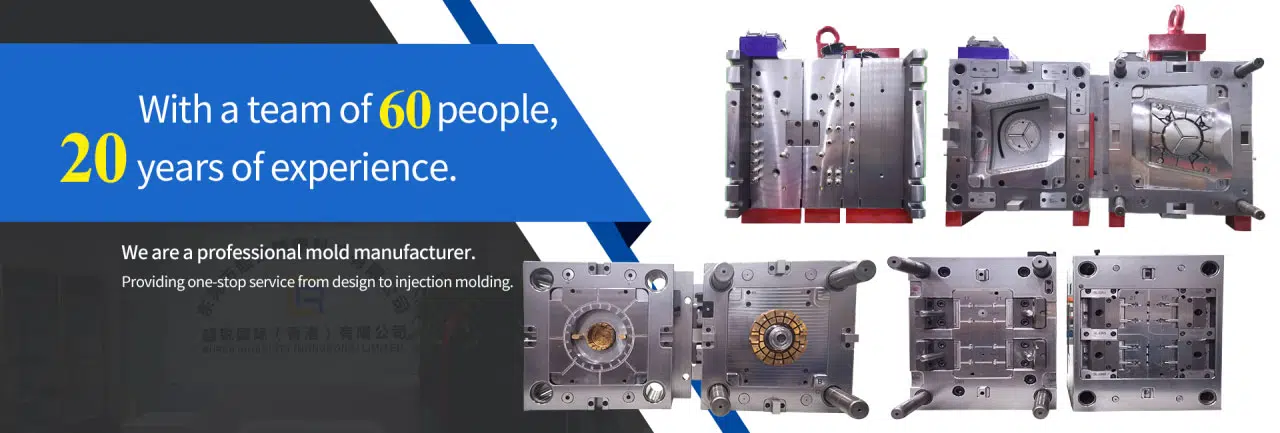
The first step in die casting is clamping the two halves of the die together. The die consists of a fixed half (cover die) and a movable half (ejector die). Powerful hydraulic or mechanical presses hold the dies closed during injection.
### 2. Injection
Molten metal is injected into the die under high pressure. The pressure is maintained until the metal solidifies. This rapid injection helps prevent any portion of the metal from solidifying before filling the cavity.
### 3. Cooling
After injection, the molten metal begins to cool and solidify within the die. The cooling time depends on the thickness of the casting and the material used.
### 4. Ejection
Once the metal has solidified, the die halves are opened and the casting is ejected by the ejector pins. Care must be taken to ensure the casting isn’t damaged during ejection.
### 5. Trimming
After ejection, excess material (flash) is trimmed from the casting. This includes any overflow material that may have escaped the die cavity during injection.
## Types of Die Casting
There are two main types of die casting processes:
### Hot Chamber Die Casting
This method is primarily used for metals with low melting points, such as zinc, magnesium, and lead alloys. The injection mechanism is submerged in the molten metal bath.
### Cold Chamber Die Casting
Used for metals with higher melting points like aluminum and copper alloys. The molten metal is ladled into the cold chamber for each shot, preventing damage to the injection system.
## Advantages of Die Casting
Die casting offers numerous benefits that make it a preferred manufacturing method for many applications:
- High production rates
- Dimensional accuracy and stability
- Excellent surface finish
- Ability to produce thin-walled parts
- Reduced need for secondary machining operations
- Long die life
## Common Die Casting Materials
The most commonly used metals in die casting include:
| Material | Characteristics |
|---|---|
| Aluminum | Lightweight, good corrosion resistance, excellent thermal and electrical conductivity |
| Zinc | High ductility, good impact strength, excellent surface finish |
| Magnesium | Lightest structural metal, good strength-to-weight ratio |
| Copper | High strength, excellent corrosion resistance, good wear properties |
## Applications of Die Cast Parts
Die cast components are used in numerous industries and applications:
- Automotive (engine blocks, transmission cases)
- Aerospace (structural components)
- Consumer electronics (housing for devices)
- Medical equipment
- Power tools
- Plumbing fixtures
## Conclusion
Die casting remains one of the most efficient and cost-effective manufacturing processes for producing high-volume, precision metal parts. Its ability to create complex shapes with excellent dimensional accuracy makes it invaluable across multiple industries. As technology advances, die casting continues to evolve, offering even greater possibilities for manufacturers worldwide.